 Virtual tours for remarkable stays
StayPano · Insights & guides
Should cafés and restaurants get a 360 tour?
Should your café or restaurant invest in a 360 tour? When it's worth it, must-have angles, and when good photos are enough — an honest breakdown.
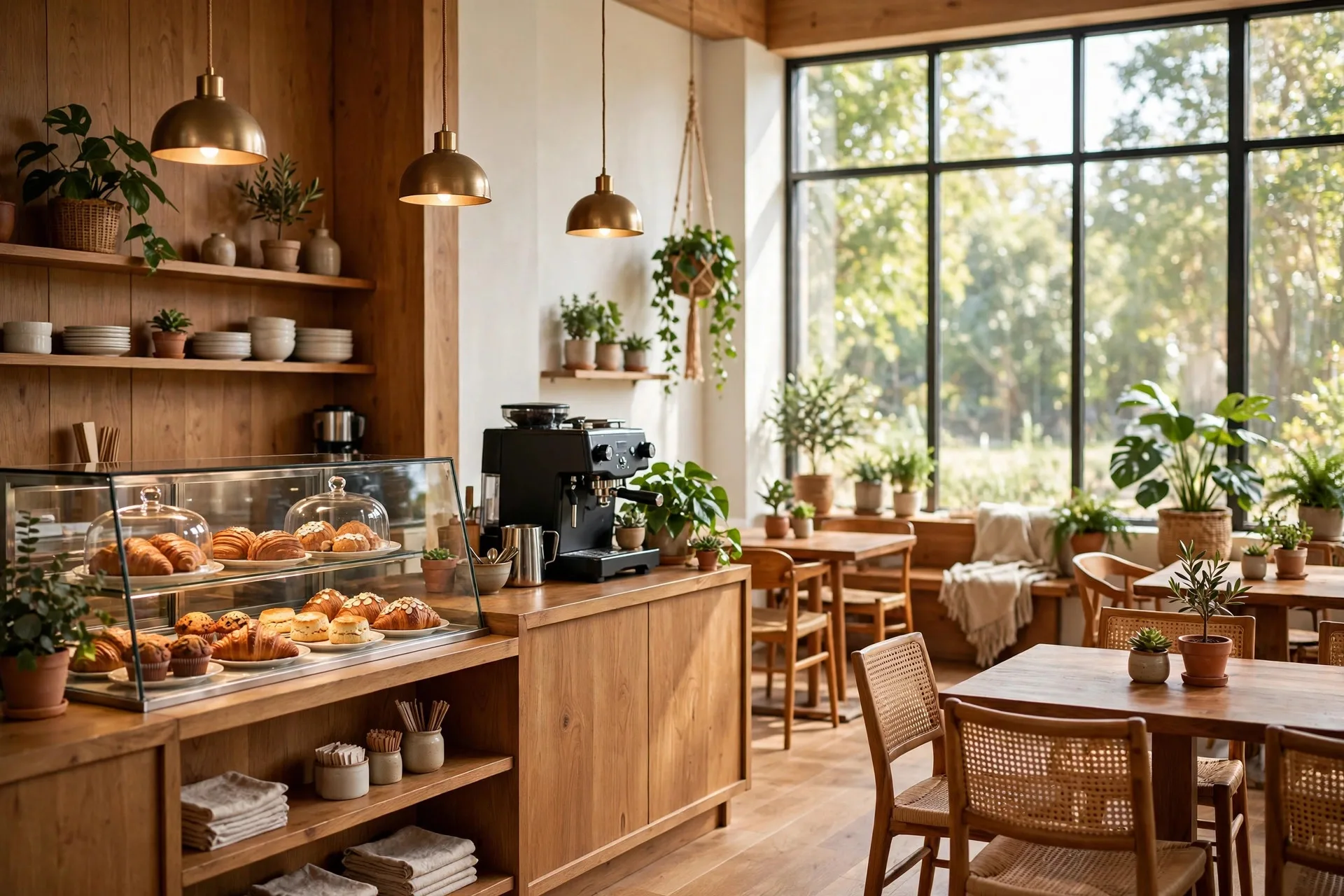
Guests choose cafés and restaurants differently from places to stay: they decide faster, but scrutinize one thing harder — the space. "Do you have group seating?", "What's the rooftop view like?", "Is parking easy?" — these repeat in messages every day. A 360 tour answers them by letting guests walk the venue before visiting. But should every venue get one? An honest breakdown.
When should a venue get a 360 tour?
Three cases where tours clearly pay off:
1. The space is your strength. Great view, invested decor, a rooftop, photogenic corners — things still photos only show one angle of. A tour lets guests spin through the whole space and feel the venue's character before arriving. If you're confident about your space, the tour is your weapon.
2. Guests keep asking about seating. "Do you have a private room?", "Can a group of 10 sit together?", "Is there outdoor seating?" — if you answer these daily, a tour does it for you: guests walk from the entrance past the counter to the seating area and see for themselves. Try the feeling in the café and rooftop 360 demo.
3. You want it on Google Maps and your website. Guests finding you on Google Maps who see a 360 tour (via Google Business), or hitting a "View 360 tour" button on your site, convert to visits more often — they've already "been" once in their heads. The tour acts as a free trial visit.
Must-have angles for a venue tour
You don't need many — cafés and restaurants usually fit in 4–6 scenes. Checklist following the guest's path:
1. Facade and entrance. The first angle guests see. Attach: opening hours, parking info, how to recognize the venue from the street. First-time guests get lost — a 360 angle at the door helps them spot you on arrival.
2. Order counter and pastry display. Where guests first interact. Attach: menu photos or a menu link, signature items. Standing at the counter with the menu openable in-tour means guests have ordered before they arrive.
3. Indoor seating. The main space. Attach: capacity, power outlets/wifi availability (remote workers care), quiet vs lively zones. Be honest about table density — wide-angle photos make venues look airier than reality; a tour can't hide it, and shouldn't.
4. Outdoor / rooftop area (if any). Often the most valuable angle. Attach: view direction, best time of day, whether reservations are needed. This is usually the scene that makes guests decide to come.
Same rule as every tour: each scene answers one real guest question. A small venue needs 3–4 scenes; don't pad angles to look longer.
F&B-specific info points
Proven info-point placements for food and beverage tours:
- Menu at the counter: open menu photos or a link to the online menu right at the counter angle. Guests browsing the tour at 10pm already know tomorrow's order.
- Opening hours at the entrance: standing at the facade shows weekday hours and holiday openings. Info tied to its space sticks better than fanpage text.
- Booking link at the seating area: after guests finish the tour and like the space, place a link to Zalo or a booking form right at the seating scene. That's the conversion point — don't make guests hunt for contact buttons. Placement rules follow hotspots in a 360 tour: max 3–4 points per viewpoint, short labels.
When does a venue NOT need a 360 tour yet?
Straight talk so you don't waste money:
Small single-space venue living on walk-ins. Guests walking past who see a crowd come in — a 5-second decision; nobody opens a 360 tour first. For this model, beautiful food photos plus good reviews beat a tour.
Budget committed to food and operations. Just opened, money going into kitchen, ingredients, staff — a 360 tour can wait. Nail the food photos first; upgrade to a tour once traffic stabilizes.
Nothing to "walk through". A 20m² shop, one spin and you've seen it all — a 360 tour is overkill. Tours shine where multiple connected areas exist: indoor plus outdoor, multiple floors, a rooftop.
If your venue is in the should-do group, the sensible order is: food photos first, space tour second — as analyzed in still photos vs 360 tours, each has its role: photos attract, tours let guests verify.
Does your venue have a space worth a trial walk? Send a few venue photos via Zalo — I'll advise the scene count and angles, free. Existing 360 photo set? Send it for a quality check.
💬 Get advice on 360 tours for venues
Read next: Still photos vs 360 tours: how guests choose homestays · What are hotspots in a 360 tour? 5 types worth using